


 İnstagram
 Facebook
How Does Weight Loss Affect Candidacy for Silhouette Threads?
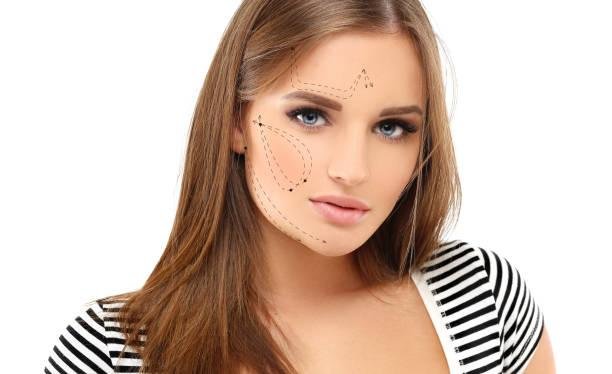
Weight loss is a double-edged sword for facial aesthetics—it transforms the body but often leaves the face looking depleted and lax. Facelift with Silhouette Threads in Dubai is an excellent option for post-weight-loss patients, but candidacy depends on three factors: the amount of weight lost, the current skin elasticity, and the duration of weight stability. The primary benefit of threads in this context is restoration—repositioning the descended tissue to match the new, leaner facial contours without adding artificial volume.
The Post-Weight-Loss Face
What Happens to Facial Tissue
When significant weight is lost, the facial fat compartments shrink. The malar fat pad deflates. The buccal fat pad reduces. The temporal hollows deepen. The skin, which had expanded to accommodate the previous volume, now lacks the elasticity to contract fully. The result is facial laxity—loose skin, descended tissue, and a face that looks older despite the healthier body.
This phenomenon is increasingly common in Dubai, where bariatric surgery, GLP-1 medications, and aggressive fitness transformations are prevalent. Patients arrive at consultations having achieved their dream physique but with a face that no longer matches their internal self-perception.
The Candidacy Question
Not every post-weight-loss patient is a good candidate for threads. The key variable is skin elasticity. If the skin has retained its ability to contract, threads can lift and reposition the tissue effectively. If the skin has lost its elasticity—often the case after massive weight loss—threads may provide limited improvement, and a surgical approach may be more appropriate.
The pinch test is the diagnostic tool. The practitioner pinches the skin at the mid-cheek and observes the rebound. A quick rebound indicates good elasticity and thread candidacy. A slow rebound suggests diminished elasticity and a need for surgical consultation.
Data Comparison: Candidacy by Weight Loss Profile
How Weight Loss Type Affects Candidacy
The table below compares candidacy for a facelift with Silhouette Threads in Dubai based on weight loss profile.
| Weight Loss Profile | Skin Elasticity | Tissue Laxity | Thread Candidacy | Recommended Approach |
|---|---|---|---|---|
| Moderate loss (5-10 kg) | Good | Mild | Excellent | Threads alone |
| Significant loss (10-20 kg) | Fair to good | Mild to moderate | Good | Threads + possible fillers |
| Substantial loss (20-30 kg) | Fair | Moderate | Moderate | Threads + fillers + possibly energy devices |
| Massive loss (30+ kg) | Poor | Severe | Poor | Surgical consultation recommended |
| Fluctuating weight | Varies | Varies | Poor (unstable) | Wait for weight stabilization |
The data confirms that candidacy decreases as weight loss increases, but moderate weight loss does not disqualify patients from thread treatment.
Facelift with Silhouette Threads in Dubai: The Post-Weight-Loss Assessment
The Stability Requirement
At Tajmeels Clinic, the first question for any post-weight-loss patient is about stability. The patient's weight must be stable for at least six months before a facelift with Silhouette Threads in Dubai is recommended. This is non-negotiable.
Further weight loss after thread placement will create additional laxity, undermining the lift. Further weight gain will stretch the threads and the newly formed collagen, compromising the result. Stability is the foundation of a successful outcome.
Patients who are still actively losing weight are advised to wait. The practitioner may recommend skincare and non-invasive treatments in the interim, but the thread lift is deferred until the weight stabilizes.
The Elasticity Evaluation
Once stability is confirmed, the practitioner evaluates skin elasticity. The pinch test is performed at multiple points—mid-cheek, jawline, neck. A rebound time of less than two seconds indicates sufficient elasticity for a successful thread lift.
Patients with good elasticity are excellent candidates. The threads will lift the lax tissue, and the skin will contract around the new position. The result is a natural restoration of facial contours.
Patients with fair elasticity may still be candidates, but the expectations are adjusted. The lift will be less crisp, and the result may be less durable. Complementary treatments—fillers for volume, energy devices for skin tightening—may be recommended to enhance the outcome.
"I lost 18 kilos and my face looked deflated. The doctor at Tajmeels did a pinch test and said my elasticity was still good. The thread lift restored my jawline and lifted my cheeks. I look like myself again—just leaner."
— Sara M., Dubai Hills
The Volume Consideration
Post-weight-loss patients often have volume loss in addition to laxity. The cheeks are flat. The temples are hollow. The under-eye area is sunken. Threads lift the tissue but do not replace lost volume.
For these patients, a combination approach is often recommended. The threads are placed first to lift the lax tissue. After four to six weeks, fillers are added to restore volume in the cheeks, temples, and under-eye area. The combination addresses both problems—laxity and volume loss—creating a comprehensive rejuvenation.
Facelift with Silhouette Threads in Dubai: Expected Results
The Timeline for Post-Weight-Loss Patients
Post-weight-loss patients often see results more quickly than other patients. The lax tissue responds readily to the lift, and the skin—if elasticity is adequate—contracts efficiently. The immediate improvement is visible as soon as the swelling subsides.
The collagen phase is particularly beneficial for post-weight-loss patients. The PLLA cones stimulate collagen production, thickening the dermal layer and improving skin quality. This addresses the thin, crepey texture that often accompanies weight loss, enhancing the overall result.
"Six months after my thread lift, my skin feels thicker and more elastic. The doctor said it was the collagen response. I didn't expect the skin quality improvement—I thought the threads were just for lifting. The combination of lift and skin quality has transformed my face."
— Nadia A., Palm Jumeirah
The Longevity Consideration
Post-weight-loss patients may experience slightly shorter longevity than patients who have not lost weight. The thinner skin and reduced fat padding create a less supportive environment for the threads. Maintenance sessions may be needed at 18 months rather than 24 months.
For those seeking the most appropriate treatment after weight loss, opting for a professional Facelift with Silhouette Threads in Dubai at a center that understands the unique needs of post-weight-loss patients guarantees a result that honors the transformation.
The Strategic Investment
Why Post-Weight-Loss Faces Need Specialized Care
A post-weight-loss face is not simply an older face. It has a distinct anatomical presentation—thin skin, depleted fat compartments, and laxity without excess skin. Treating this face requires a specialized approach that addresses both lift and volume.
The Dubai Context
Dubai's wellness culture has normalized dramatic transformations. Tajmeels Clinic understands that the face must keep pace with the body. The goal is not just a lift—it is a restoration that honors the patient's hard work and completes their transformation.
Frequently Asked Questions
1. How long should I wait after weight loss before getting threads?
Wait until your weight has been stable for at least six months. Further weight loss will create additional laxity, while weight gain will stretch the threads. Stability is the most important predictor of a successful outcome.
2. Can Silhouette threads restore lost facial volume?
No. Threads lift and reposition tissue but do not add volume. If volume loss is significant, a combination approach—threads for lifting and fillers for volume—may be recommended. The sequence matters: lift first, then fill.
3. What if I have loose skin after massive weight loss?
If you have lost 30 kilograms or more, you may have excess skin that cannot be addressed with threads alone. A surgical facelift or neck lift may be necessary. An in-person consultation is essential to determine the best approach.
4. Can I get threads if I'm still losing weight?
No. Thread placement should be deferred until weight is stable. Treatment during active weight loss will be undermined by further facial changes. Wait until you reach your goal weight and maintain it for six months.
5. Will the results look natural after weight loss?
Yes, if the procedure is performed with appropriate technique. The goal is to restore the tissue to its natural position on the new, leaner face. The result should look like a refreshed version of your post-weight-loss self—not like a different person.
6. How does Ozempic or Mounjaro weight loss affect thread candidacy?
The weight loss from GLP-1 medications is typically gradual, which may preserve skin elasticity better than rapid surgical weight loss. However, the same principles apply: wait for weight stability, assess elasticity, and consider a combination approach if volume loss is significant.

 English
 Arabic
 Deutsch
 Russian