


 İnstagram
 Facebook
How Hormonal Changes Can Trigger Skin Pigmentation
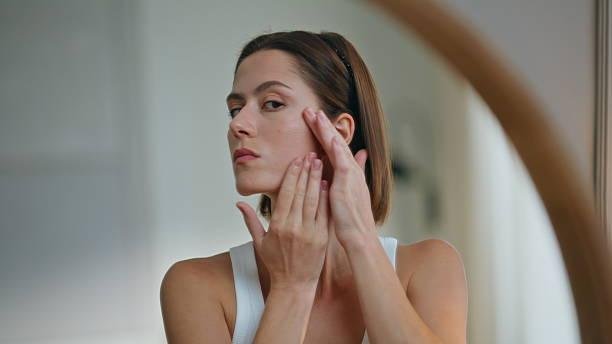
Hormonal changes can influence many functions within the body, including the way the skin produces and distributes melanin. When hormone levels fluctuate, some people may develop darker patches or uneven areas of pigmentation, particularly on the face. Understanding the connection between hormones and skin discoloration can help in choosing an appropriate approach. Pigmentation Treatment in Riyadh (علاج التصبغات الرياض) may help reduce the appearance of unwanted pigmentation after its underlying cause has been assessed.
Hormonal pigmentation can be influenced by factors such as pregnancy, hormonal medications, menopause, or other changes in hormone levels. Sun exposure can also make hormone-related pigmentation more noticeable. Because several factors may contribute at the same time, professional assessment is important before selecting a treatment.
How Do Hormones Affect Skin Pigmentation?
Melanin Production
Melanin is the natural pigment responsible for much of the color of the skin. Certain hormonal changes can stimulate melanocytes, the cells responsible for producing melanin, causing increased pigmentation in particular areas.
When melanin production becomes uneven, darker patches may develop and create an inconsistent skin tone.
Hormone-Related Skin Changes
Hormonal fluctuations can affect the skin's sensitivity, oil production, and response to environmental factors. These changes may make existing pigmentation more noticeable or contribute to the development of new discoloration.
What Hormonal Conditions Can Trigger Pigmentation?
Pregnancy
Pregnancy involves significant hormonal changes that can stimulate increased melanin production. Some people develop melasma, sometimes referred to as the "mask of pregnancy," which commonly appears on the cheeks, forehead, nose, or upper lip.
Hormonal Contraceptives
Some hormonal contraceptives may be associated with melasma in susceptible individuals. The response varies from person to person, and pigmentation may also be influenced by sun exposure and other factors.
Menopause
Changes in hormone levels during menopause can alter the skin in several ways. Although pigmentation is not experienced by everyone, hormonal fluctuations may contribute to changes in skin tone in some individuals.
What Is Melasma?
Melasma is a common pigmentation condition characterized by brown or grayish patches, most often appearing on the face. Hormonal influences can play a role, while sunlight and visible light may also contribute to its development or worsening.
Melasma can be persistent and may return even after improvement. For this reason, treatment generally focuses on controlling visible pigmentation and reducing contributing triggers rather than promising permanent removal.
Can Sun Exposure Worsen Hormonal Pigmentation?
Pigmentation Treatment in Riyadh may help improve the appearance of hormone-related discoloration, but sun protection remains an important part of managing it. Ultraviolet exposure can stimulate melanin production and make existing patches more noticeable.
Using broad-spectrum sunscreen consistently, seeking shade, and limiting prolonged direct sun exposure can help reduce one of the major environmental factors associated with worsening pigmentation.
Which Treatments May Help Hormonal Pigmentation?
Topical Treatments
Certain topical ingredients may help improve the appearance of pigmentation gradually. Depending on the condition and skin characteristics, a specialist may recommend products that support skin renewal or help regulate excess pigment production.
Because hormonal pigmentation can be sensitive to irritation, introducing strong products without professional guidance may not be appropriate for everyone.
Chemical Peels
Chemical peels provide controlled exfoliation and may help improve certain superficial pigmentation concerns. The type and strength of the peel should be carefully selected according to skin tone, sensitivity, and the nature of the pigmentation.
Laser and Light-Based Treatments
Selected laser or light-based procedures may be considered for certain pigmentation concerns. These treatments can target excess pigment, but they require careful assessment and appropriate settings.
People with darker skin tones may have a greater risk of post-inflammatory hyperpigmentation following some procedures, making individualized treatment planning particularly important.
Is Hormonal Pigmentation Treatable?
Pigmentation Treatment in Riyadh can be considered for reducing the visible appearance of hormonal pigmentation, but treatment outcomes vary. The underlying hormonal trigger, skin type, pigmentation depth, sun exposure, and chosen treatment can all influence results.
In conditions such as melasma, pigmentation may be managed rather than permanently eliminated. A long-term approach may be needed to maintain improvement.
Can Hormonal Pigmentation Return?
Hormonal pigmentation can recur when hormonal or environmental triggers remain present. Sun exposure may also contribute to recurrence even after the pigmentation has improved.
Consistent sun protection and an appropriate maintenance skin-care routine can help support longer-lasting results.
Why Is Skin Type Important?
Skin tone and sensitivity can influence how pigmentation responds to treatment. Some procedures that are suitable for one person may not be appropriate for another.
Darker skin tones can be more susceptible to post-inflammatory hyperpigmentation after irritation or aggressive procedures. A qualified professional can take these factors into account when developing a treatment plan.
What Should You Avoid When Managing Hormonal Pigmentation?
Harsh scrubbing, excessive exfoliation, picking at the skin, and using multiple strong active ingredients without guidance can cause irritation. In some cases, inflammation may contribute to additional pigmentation.
Gentle skin care, regular moisturization, and consistent sun protection can provide a better foundation for managing discoloration.
Can Lifestyle Changes Help?
Lifestyle measures cannot directly eliminate hormonal pigmentation, but they may support overall skin health. Protecting the skin from sunlight, maintaining a consistent skin-care routine, and avoiding unnecessary irritation can be beneficial.
If pigmentation appears to be associated with a medication or hormonal condition, discussing the issue with an appropriate healthcare professional may also be helpful. Medications should not be stopped or changed without medical advice.
When Should You Seek Professional Advice?
Professional assessment may be useful when pigmentation develops suddenly, becomes persistent, spreads, or does not improve with basic skin care. A specialist can assess the pattern and appearance of the discoloration and determine whether it is consistent with melasma or another pigmentation concern.
Any new, rapidly changing, irregular, bleeding, or unusual pigmented lesion should be medically evaluated rather than assumed to be hormone-related pigmentation.
How Can You Maintain a More Even Skin Tone?
Maintaining an even-looking complexion requires consistent care. Daily broad-spectrum sunscreen, gentle cleansing, moisturization, and an individualized pigmentation routine can help support the skin.
Because hormonal pigmentation can recur, long-term sun protection and periodic professional assessment may be useful for people who experience persistent or recurrent discoloration.
Book an Appointment
If hormonal changes have contributed to dark patches or uneven skin tone, Pigmentation Treatment in Riyadh can be considered following a professional skin assessment. Royal Clinic Saudia (عيادات رويال كلينك) can evaluate your pigmentation concerns and help determine a suitable treatment approach based on your skin characteristics and individual needs.
FAQs:
Can hormonal changes cause dark patches on the face?
Yes. Hormonal fluctuations can stimulate melanin production and contribute to conditions such as melasma.
Does pregnancy cause facial pigmentation?
Pregnancy-related hormonal changes can contribute to increased facial pigmentation in some people.
Can hormonal pigmentation be permanently removed?
Some pigmentation can improve significantly, but conditions such as melasma may recur when triggers remain present.
Can sunscreen help with hormonal pigmentation?
Yes. Consistent sun protection can help reduce UV-related stimulation of melanin and support pigmentation management.

 English
 Arabic
 Deutsch
 Russian