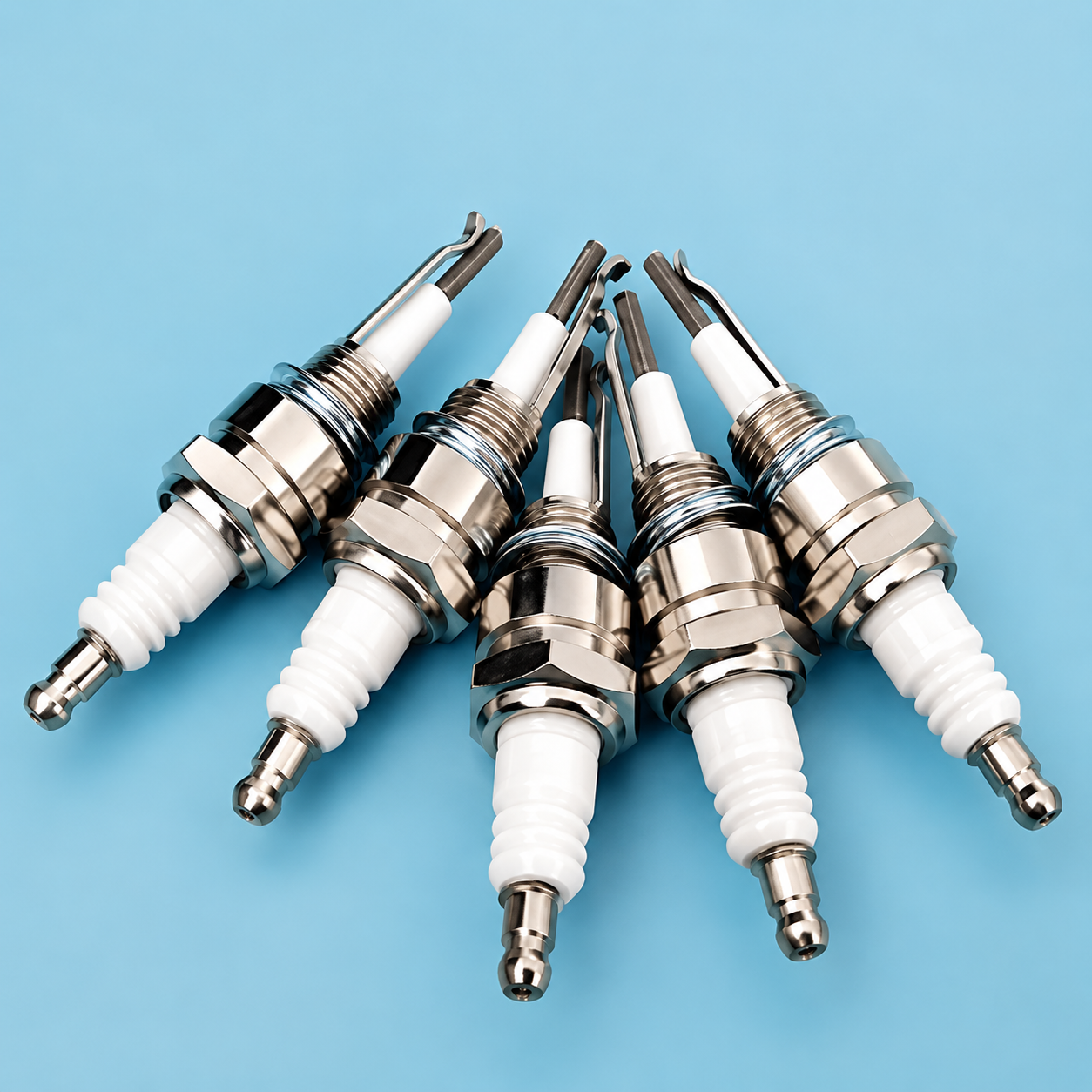




Alumina Plug: High-Performance Solution for Industrial Use
An alumina plug is a specialized refractory component manufactured from high-purity alumina material. It is widely used in industries that require exceptional resistance to heat, wear, corrosion, and mechanical stress. Due to its excellent thermal stability and durability, the alumina plug plays a crucial role in various industrial processes. These plugs are commonly utilized in steel manufacturing, foundries, ceramics, and other high-temperature environments where reliable performance is essential. Their ability to withstand extreme operating conditions makes them a preferred choice for industrial engineers and manufacturers worldwide.
What Is an Alumina Plug?
An alumina plug is a ceramic-based component primarily composed of aluminum oxide. It is designed to seal, regulate, or control the flow of molten materials and gases in industrial systems. The high alumina content provides superior hardness, chemical resistance, and thermal insulation properties. Unlike conventional materials, alumina plugs maintain their structural integrity even when exposed to extreme temperatures. This unique combination of strength and performance allows them to function effectively in demanding industrial applications where reliability and longevity are critical.
Composition and Manufacturing Process
The manufacturing of an alumina plug involves the use of high-quality alumina powder combined with advanced ceramic processing techniques. The raw materials are carefully selected to ensure purity and consistency. The mixture is shaped into the desired form through pressing or molding methods before undergoing high-temperature sintering. During the sintering process, the particles fuse together, creating a dense and durable structure. This manufacturing approach results in a product with excellent mechanical properties, low porosity, and high resistance to thermal shock, making it suitable for harsh industrial conditions.
Key Features of Alumina Plug
One of the most significant features of an alumina plug is its outstanding resistance to high temperatures. It can operate efficiently in environments where temperatures exceed the limits of many traditional materials. Additionally, alumina plugs offer excellent wear resistance, allowing them to withstand abrasive conditions without significant degradation. Their chemical stability ensures protection against corrosive substances, while their high mechanical strength minimizes the risk of cracking or failure. These features contribute to improved operational efficiency and reduced maintenance requirements.
Thermal Resistance and Stability
Thermal resistance is one of the defining characteristics of an alumina plug. Industrial processes often involve rapid temperature fluctuations that can cause ordinary materials to crack or deform. Alumina plugs are engineered to resist thermal shock and maintain their structural stability under extreme heat conditions. This capability ensures consistent performance and helps prevent unexpected downtime. By maintaining their shape and functionality during prolonged exposure to elevated temperatures, alumina plugs enhance the reliability of industrial equipment and production systems.
Chemical and Corrosion Resistance
Industries frequently expose components to aggressive chemicals, molten metals, and corrosive environments. Alumina plugs provide excellent protection against chemical attack due to their inert nature. They do not react easily with acids, alkalis, or molten materials, making them ideal for applications requiring long-term chemical stability. This resistance reduces the likelihood of contamination and extends the service life of the equipment. As a result, manufacturers can achieve greater productivity while minimizing replacement and maintenance costs.
Applications in the Steel Industry
The steel industry is one of the largest users of alumina plugs. These components are commonly installed in ladles, tundishes, and flow-control systems used during steel production. Their ability to withstand molten metal temperatures and resist erosion makes them highly effective in controlling metal flow. Alumina plugs contribute to improved process efficiency and product quality by ensuring precise regulation during casting operations. Their reliability is essential for maintaining smooth production and reducing operational disruptions.
Use in Foundries and Metal Processing
Foundries and metal processing facilities rely on alumina plugs to manage high-temperature operations safely and efficiently. These plugs are used in furnaces, crucibles, and pouring systems where exposure to molten metals is common. Their superior thermal and mechanical properties help maintain process stability while reducing the risk of equipment failure. By providing consistent performance in demanding environments, alumina plugs support higher production rates and improved workplace safety standards.
Role in Ceramic Manufacturing
Ceramic manufacturing requires materials that can endure intense heat and repeated firing cycles. Alumina plugs are frequently utilized in kilns and ceramic processing equipment because of their exceptional thermal stability. Their resistance to deformation and chemical attack helps maintain product quality throughout the manufacturing process. In addition, their long service life contributes to lower operating costs and improved production efficiency. These advantages make alumina plugs a valuable component in modern ceramic manufacturing facilities.
Advantages Over Traditional Materials
Compared to conventional metal or refractory components, alumina plugs offer several distinct advantages. Their superior hardness and wear resistance result in longer operational life and reduced maintenance needs. They are less susceptible to corrosion and thermal damage, ensuring dependable performance under challenging conditions. Furthermore, alumina plugs provide excellent dimensional stability, which is essential for precision applications. These benefits make them a cost-effective and reliable alternative for industries seeking improved efficiency and durability.
Durability and Long Service Life
Durability is a critical factor in industrial environments where equipment operates continuously under demanding conditions. Alumina plugs are engineered to deliver exceptional longevity, even when exposed to high temperatures, abrasive materials, and corrosive substances. Their robust construction minimizes wear and mechanical damage, reducing the frequency of replacements. This extended service life translates into lower operational costs and improved productivity, making alumina plugs a valuable investment for industrial applications.
Maintenance and Performance Benefits
The low maintenance requirements of alumina plugs are another reason for their widespread adoption. Their resistance to wear, corrosion, and thermal stress reduces the need for frequent inspections and repairs. This reliability helps minimize downtime and ensures uninterrupted production processes. By maintaining consistent performance over extended periods, alumina plugs contribute to improved operational efficiency and lower overall maintenance expenses. These benefits are particularly important in industries where equipment reliability directly impacts profitability.
Factors to Consider When Choosing an Alumina Plug
Selecting the right alumina plug requires careful evaluation of application requirements and operating conditions. Factors such as temperature range, chemical exposure, mechanical load, and dimensional specifications should be considered. The purity level of the alumina material can also influence performance and durability. Choosing a high-quality product from a reputable manufacturer ensures optimal results and long-term reliability. Proper selection helps maximize efficiency and extends the service life of industrial equipment.
Future Trends and Innovations
Advancements in ceramic engineering continue to improve the performance of alumina plugs. Researchers and manufacturers are developing new formulations and production methods to enhance thermal resistance, strength, and wear characteristics. These innovations are expected to support increasingly demanding industrial applications while improving sustainability and energy efficiency. As industries seek more reliable and cost-effective solutions, alumina plugs will remain an essential component in modern manufacturing and processing operations.
Conclusion
Alumina plug technology has become an indispensable part of many industrial processes due to its exceptional heat resistance, durability, and chemical stability. From steel production and foundries to ceramic manufacturing, these advanced ceramic components provide reliable performance in challenging environments. Their long service life, low maintenance requirements, and superior operational efficiency make them a preferred choice across various industries. As technology continues to evolve, alumina plugs are expected to play an even greater role in supporting efficient, safe, and sustainable industrial operations.
- 🌟Karadeniz Magazin
- ⚽Karadeniz Spor
- 📍 Karadeniz Şehirleri
- 📰 Karadeniz Haberler
- 🍽️✈️ GEZGİN GURME
- Karadeniz Genel
- 🏞️ Karadeniz Türizm
- 🏛️ Tarih & Kültür