
 İnstagram
 فيس بوك
How Custom Software Development Accelerates Business Expansion
Introduction
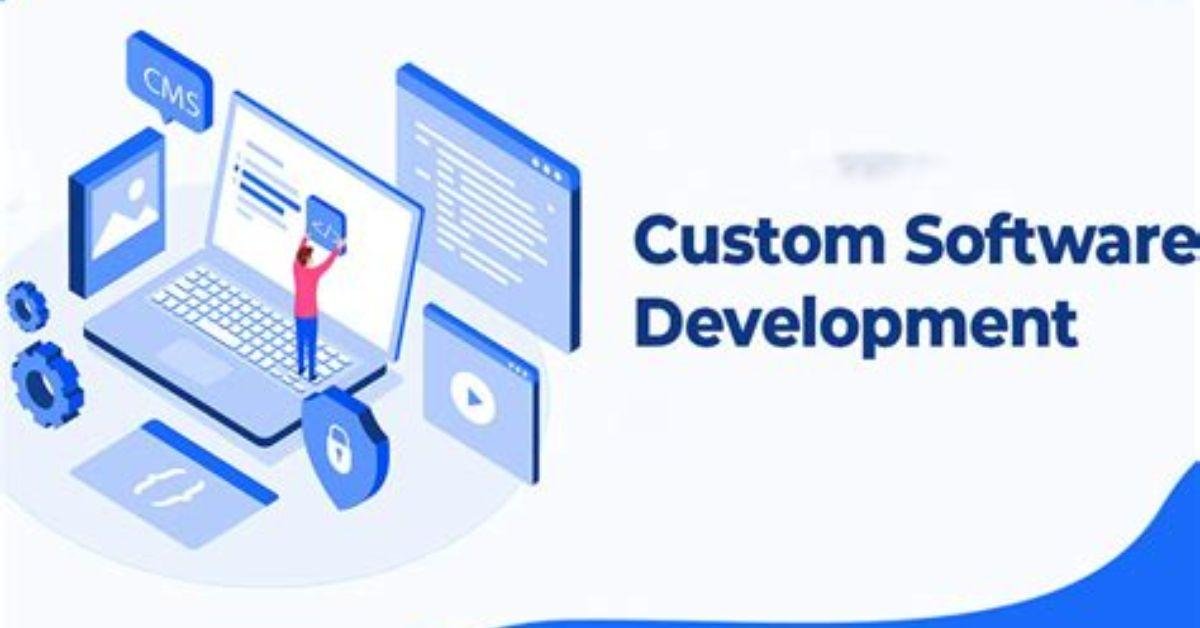
As businesses grow, their operational requirements become more complex. Standard software solutions may work during the early stages, but they often struggle to support evolving workflows, increasing customer demands, and larger volumes of data. Organizations that want to remain agile and competitive frequently turn to custom software development to create technology tailored specifically to their goals.
Unlike generic applications designed for broad audiences, customized software is developed around a company's unique processes. This approach improves efficiency, enhances productivity, and provides the flexibility required for long-term success.
Whether managing a startup, a mid-sized company, or a large enterprise, investing in customized technology can create a foundation for sustainable growth.
What Is Custom Software Development?
Custom software development refers to the creation of software applications designed exclusively for a specific business or organization. These solutions are built to address particular challenges, automate workflows, and support operational objectives.
For instance, a healthcare provider may require a system that combines patient scheduling, billing, records management, and communication tools into one platform. A custom-built application can provide these exact functions while eliminating unnecessary features commonly found in generic software.
The result is a solution that fits business operations rather than forcing teams to adapt to software limitations.
Challenges of Using Generic Software
Off-the-shelf applications are often attractive because they offer quick implementation and lower upfront costs. However, as organizations expand, these systems can become obstacles to growth.
Common limitations include:
-
Restricted customization capabilities
-
Compatibility issues with other platforms
-
Rising subscription and licensing expenses
-
Manual workarounds for business processes
-
Difficulty handling increased workloads
These challenges can negatively impact productivity and operational performance. Businesses that require greater flexibility often choose custom software to overcome these barriers.
Benefits of Custom Software Development
Streamlines Daily Operations
Many organizations spend valuable time on repetitive administrative tasks. Custom software can automate routine activities and improve process efficiency across departments.
Examples include:
-
Invoice generation
-
Inventory tracking
-
Employee management
-
Order processing
-
Workflow automation
Automation reduces human error and allows employees to focus on strategic initiatives that contribute to growth.
Delivers Better Customer Experiences
Customers expect personalized and efficient interactions. Businesses that fail to meet these expectations may struggle to retain clients.
Custom software enables organizations to provide:
-
Personalized dashboards
-
Self-service capabilities
-
Instant notifications
-
Faster response times
-
Improved digital experiences
Enhanced customer interactions can increase satisfaction and encourage long-term loyalty.
Enables Business Scalability
One major advantage of custom software development is its ability to grow alongside the organization.
As business requirements change, companies can:
-
Add new features
-
Support additional users
-
Integrate new technologies
-
Expand operational capabilities
This adaptability helps organizations avoid costly software replacements in the future.
Improves Data Accessibility
Business leaders rely on accurate information to make informed decisions. When data is scattered across multiple systems, gaining meaningful insights becomes difficult.
Custom software centralizes information and provides:
-
Real-time reporting
-
Better analytics
-
Improved data accuracy
-
Easier performance monitoring
Access to reliable data supports smarter planning and more effective decision-making.
Builds Competitive Advantages
Organizations using standard software often operate similarly to competitors. Customized solutions allow businesses to create unique workflows, services, and customer experiences.
These distinctions can help strengthen brand value and improve market positioning.
The Value of Software Integration Services
Modern businesses frequently use multiple applications for accounting, sales, operations, and customer support. When these systems operate separately, inefficiencies often arise.
Software integration services connect business applications and enable seamless communication between platforms.
Advantages include:
-
Automated information sharing
-
Reduced manual data entry
-
Improved productivity
-
Better visibility across departments
-
Faster operational processes
An integrated digital environment helps organizations function more efficiently and scale more effectively.
How CRM Software Development Services Support Growth
Customer management plays a critical role in business success. CRM software development services provide organizations with customized solutions for tracking interactions and improving customer relationships.
Features often include:
-
Lead management
-
Customer databases
-
Sales forecasting
-
Communication tracking
-
Marketing performance analysis
With a tailored CRM platform, businesses can strengthen customer engagement and increase revenue opportunities.
Benefits of Nearshore Software Development
Developing software internally can require significant investments in hiring, training, and infrastructure. Many organizations choose nearshore software development to access skilled professionals while maintaining close collaboration.
Key benefits include:
-
Similar business hours
-
Easier communication
-
Reduced project expenses
-
Faster development cycles
-
Access to specialized expertise
This approach helps companies complete projects efficiently while maintaining quality standards.
Why Companies Choose Software Development Outsourcing
Businesses often need technical expertise without expanding internal teams. Software development outsourcing provides access to experienced professionals who can manage projects efficiently.
Benefits include:
-
Lower operational costs
-
Access to specialized talent
-
Faster project execution
-
Flexible resource allocation
-
Reduced recruitment efforts
Outsourcing allows organizations to focus on strategic priorities while accelerating technology initiatives.
The Importance of Software Modernization
Legacy systems can limit productivity, increase maintenance costs, and expose businesses to security vulnerabilities.
Software modernization updates outdated applications to align with current technology standards and business requirements.
Key advantages include:
-
Enhanced security
-
Improved application performance
-
Better user experiences
-
Lower maintenance expenses
-
Greater compatibility with modern platforms
Modernized systems support innovation and prepare organizations for future growth.
Best Practices for Successful Software Development
Analyze Business Needs
Identify operational challenges and determine areas where technology can improve efficiency.
Define Clear Objectives
Establish measurable goals that align with overall business strategies.
Select the Right Development Partner
Work with experienced professionals who understand your industry and technical requirements.
Create a Detailed Plan
Develop project roadmaps, system requirements, and implementation strategies before development begins.
Develop and Test Thoroughly
Conduct continuous testing to ensure functionality, security, and performance.
Implement Effectively
Provide employee training and support during deployment to maximize adoption.
Continuously Improve
Monitor system performance and introduce updates as business requirements evolve.
Why Businesses Choose Thinkdone Solutions
Thinkdone Solutions provides innovative technology services designed to help organizations improve efficiency and achieve long-term growth.
Our expertise includes custom software development, CRM software development services, software integration services, software modernization, nearshore software development, and software development outsourcing.
We build secure, scalable, and performance-driven solutions that align with each client's objectives and operational needs.
Conclusion
Technology is a critical driver of business growth. While standard software may meet basic requirements, custom software development offers the flexibility, scalability, and efficiency needed to support long-term success.
Businesses that invest in customized solutions can streamline operations, improve customer experiences, strengthen decision-making, and gain a competitive advantage. With the right technology strategy and development partner, organizations can create a strong foundation for future expansion.
Frequently Asked Questions
What makes custom software different from off-the-shelf software?
Custom software is built specifically for a business's unique requirements, while off-the-shelf solutions are designed for general use across multiple industries.
Can custom software be expanded later?
Yes. Custom applications can be updated, enhanced, and scaled as business requirements evolve.
Is software development outsourcing cost-effective?
Yes. Software development outsourcing often reduces hiring costs and provides access to experienced specialists.
Why should businesses modernize legacy software?
Software modernization improves performance, security, scalability, and compatibility with modern technologies, helping organizations remain competitive.

 Türkçe
 English
 Deutsch
 Russian