


 İnstagram
 Facebook
How Can We Deliver Lifesaving Nourishment To Families?
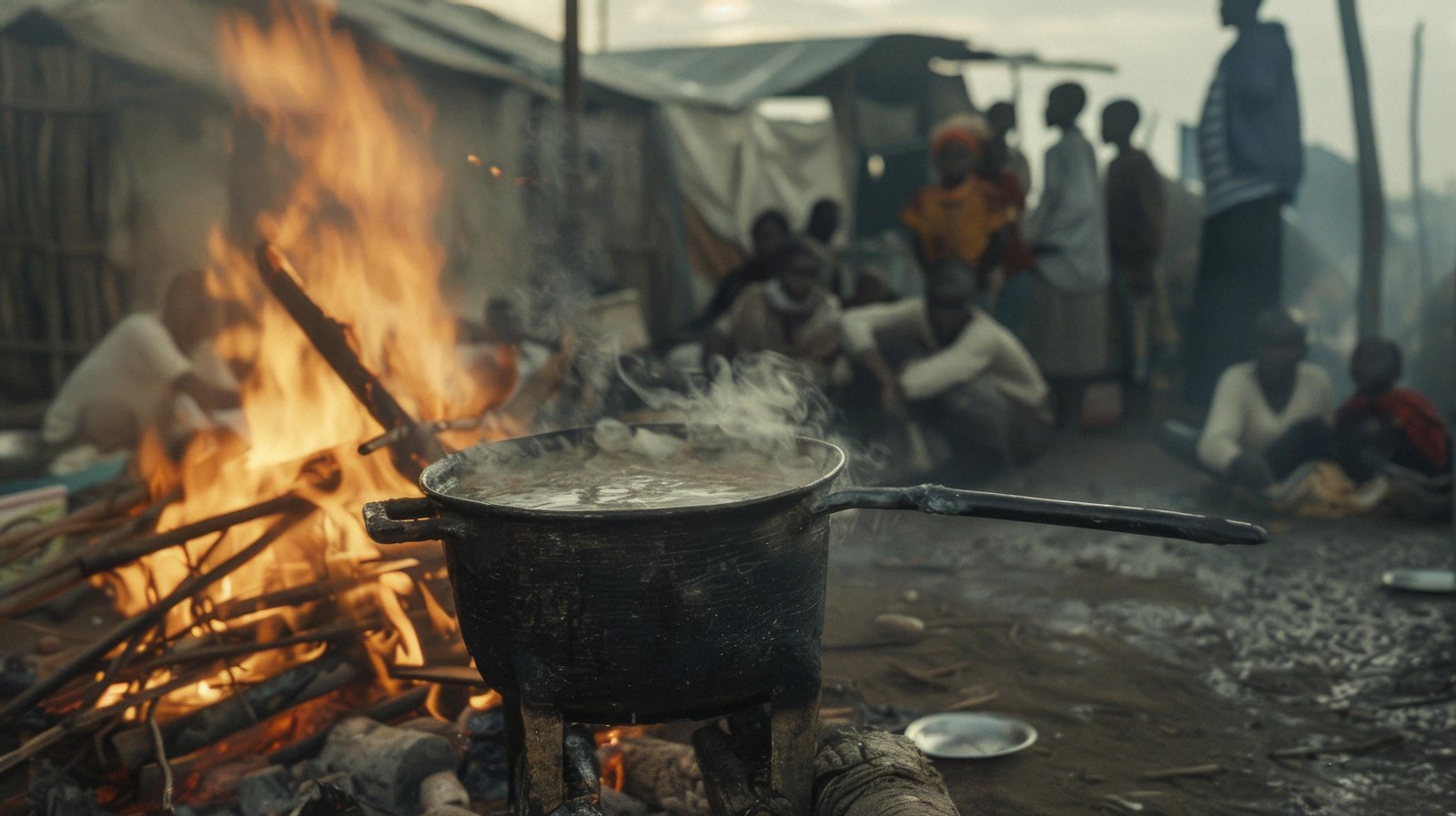
The daily struggle for survival inside a conflict zone strips life down to a single, agonizing question. Where will the next meal come from? Right now, millions of people trapped in the Gaza Strip face this grueling reality every time the sun rises. Neighborhood markets have completely turned to dust. Local farms lie entirely ruined, and the simple act of baking bread has become a dangerous, logistical nightmare.
Families live in crowded makeshift tents, listening to the constant rumble of crisis around them. Their savings are gone, and their water supplies are contaminated. In times of such extreme hardship, standard economic systems completely fail. This is exactly where international humanitarians must step in to build an immediate, reliable lifeline across blockaded borders.
The True Scale Of The Nutritional Crisis
To comprehend the gravity of the situation on the ground in 2026, one must look at the data provided by public health experts. According to recent food security assessments, over 90% of the population faces acute food insecurity. This is not just a statistical shortage; it is a systemic famine that threatens to claim a generation of young lives.
The lack of basic protein and fresh produce hits young children and infants the hardest. Pediatric doctors working in field hospitals report a dramatic spike in acute malnutrition and stunting. When a child’s body goes without proper nutrients for weeks at a time, their immune system completely collapses. Common infections that are normally easy to treat suddenly become deadly.
This desperate environment explains why organizing a steady stream of food aid for Gaza has become the absolute top priority for relief networks. It is a race against time to deliver bulk flour, cooking oil, canned proteins, and specialized infant formula. Without this continuous influx of basic provisions, the toll from starvation could quickly outpace the casualties caused by the physical violence itself.
Turning Global Resources Into Real Support
When an everyday donor sits at their laptop and decides to contribute to a humanitarian fund, they often wonder how that digital transaction changes a physical reality. The process is incredibly complex. It requires months of careful planning, diplomatic negotiations, and localized coordination before a single truck can cross the border gate.
By choosing to utilize an established network like the Islamic Relief Donate Channel, supporters ensure their resources enter a highly optimized supply chain. Logistics teams buy essential food items in massive bulk quantities from regional wholesale markets in neighboring countries. This approach saves thousands of dollars in transit fees and ensures the goods arrive as quickly as possible.
Once the convoys successfully navigate the border inspections, local field teams take over the distribution. They do not just dump boxes randomly in the middle of a camp. They work directly with neighborhood leaders to verify beneficiary lists, creating orderly pickup points so that widows, orphans, and the elderly receive their fair share safely and with total dignity.
Setting Up Lifesaving Community Kitchens
True humanitarian work goes far beyond simply handing over a cardboard box of dry goods and driving away. Because electricity is completely nonexistent and cooking gas is a rare luxury, families often have no way to cook raw beans or rice. To solve this practical problem, ground teams are setting up large-scale community kitchens in areas where displaced people have gathered.
These kitchens use wood fires and massive metal pots to cook warm, nutritious meals every single day. Witnessing a community kitchen in full operation is a profound example of compassion in its purest form. It is a space where local volunteers risk their own safety to chop vegetables, bake flatbread, and ladle out hot stews to thousands of waiting children.
What Modern Emergency Food Drives Prioritize
-
Ready-To-Eat Rations: Providing high-calorie date bars, canned tuna, and enriched biscuits that require zero cooking or water.
-
Maternal Nutrition Kits: Supplying nutrient-dense supplements to pregnant and nursing mothers to ensure they can sustain their babies.
-
Water Purification Tablets: Including purification tools alongside food parcels to guarantee families have safe water to drink with their meals.
-
Bulk Flour Shipments: Delivering metric tons of wheat flour straight to the few remaining local bakeries so they can produce fresh bread daily.
This comprehensive, hands-on method is the driving force behind the Be The Mercy initiative, which focuses entirely on keeping these vital kitchens supplied with fuel and raw ingredients. By turning raw donations into immediate, hot meals, these programs give traumatized families a brief moment of comfort and stability. It shows them that a global family is actively looking out for their survival.
The Logistical Hurdles Faced By Relief Workers
Distributing a massive amount of food aid for Gaza is one of the most dangerous assignments a social worker can take on today. Convoys must navigate cratered roads, endure long security delays at the border, and constantly monitor active hazard zones. Despite these immense operational roadblocks, the drive to help keeps the trucks moving forward.
-
Sourcing Close to the Border: Purchasing items from Egypt and Jordan to drastically shrink shipping times.
-
Establishing Secure Warehouses: Storing backup supplies in secure regional hubs so distributions can continue during brief border closures.
-
Real-Time Communication: Using satellite phones to coordinate drop-offs during short windows of relative safety.
Every single truck that successfully unloads its cargo represents a massive victory for humanity over despair. It keeps hope alive in the middle of total devastation, proving that collective human will can cross any border to protect life.
Why Every Single Contribution Matters
In a crisis of this magnitude, it is easy for an individual to feel like their small contribution is just a drop in the ocean. But the reality on the ground is completely different. Because humanitarian networks operate on bulk pricing, the cost of a single dinner out in a major Western city can provide a vulnerable family with enough food and clean water to survive for an entire month.
We live in a deeply interconnected world, and our choices have a direct ripple effect across the planet. When people choose to log on and use a verified Islamic Relief donate platform, they are casting a vote for human dignity. They are sending an undeniable message to a mother living in a tent that her children matter, that their hunger is seen, and that the world will not stop fighting to keep them alive.
Frequently Asked Questions
How do field teams verify that the food reaches the poorest families first?
Logistics teams work hand-in-hand with registered local social workers and community elders who maintain updated lists of every household in the displacement camps. Priority lines and direct tent deliveries are strictly arranged for widows, orphans, the elderly, and individuals living with severe physical disabilities.
Why is it better to donate money rather than ship canned food from home?
Donated funds allow relief organizations to buy food in massive bulk quantities directly from regional markets near the crisis zone. This practice eliminates exorbitant international shipping costs, avoids lengthy customs delays, and ensures that the food items match the cultural dietary preferences of the local population.
What happens if a food convoy is blocked or delayed at the border gate?
Organizations maintain highly secure holding warehouses located just outside the crossing zones. Teams monitor the border conditions every hour of the day and are fully prepared to push the trucks forward the exact minute that safety clearances are officially granted by the authorities.
Are the community kitchens able to operate during total fuel shortages?
When fuel and cooking gas run completely dry, volunteers pivot to using recycled wood, scrap timber, and cardboard to spark the fires needed to boil water and cook meals. The ground teams are incredibly resourceful, ensuring that the kitchens keep running under the toughest conditions.
How long will emergency food support be required in the region?
According to expert economic and agricultural assessments, the local food production network and commercial markets will take years to recover from the extensive damage. Emergency food distribution will remain a vital, life-saving necessity until stable trade routes open and permanent reconstruction can begin.

 English
 Arabic
 Deutsch
 Russian