


 İnstagram
 Facebook
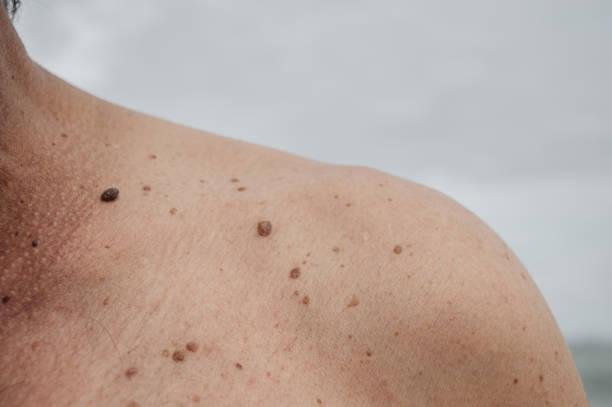
One of the most common concerns for anyone considering mole removal is the potential for scarring. For those seeking Mole Removal in Riyadh, Mole Removal in Riyadh understanding how to prevent, care for, and treat scars is essential for achieving the best possible cosmetic outcome. While any skin procedure leaves a mark, modern techniques and diligent aftercare can significantly minimize scar visibility.
Prevention: Starting Before the Procedure
Choosing the Right Removal Method
The method used for your mole removal directly influences the scar outcome. Laser removal and shave excision generally produce the most minimal scarring for suitable candidates . For raised moles, shave excision results in a flat scar that often fades well. Laser removal can leave little to no visible mark. Surgical excision, while more invasive, leaves a thin line that can be highly refined when performed by an experienced dermatologist .
Selecting an Experienced Professional
A skilled dermatologist will place incisions in natural skin creases and use fine sutures to minimize tension, which reduces scar visibility . When you search for "mole removal near me," prioritize professionals with experience in both removal and aesthetic closure.
Immediate Aftercare: The Critical First Weeks
Keeping the Wound Moist
Applying the recommended ointment (like petroleum jelly) keeps the wound moist, which promotes faster healing and reduces the likelihood of a thick scab forming . A moist environment helps the skin regenerate more smoothly, leading to a finer scar.
Protecting the Area
Avoid exposing the wound to the sun. UV rays can cause hyperpigmentation, making the scar darker and more noticeable. Cover the area or apply SPF 30+ sunscreen once the wound is fully closed. This protection should continue for at least 6 to 12 months.
Avoiding Picking and Scratching
Picking at a scab or scratching the healing wound disrupts the delicate new skin and can cause the scar to widen or thicken. Let the wound heal naturally.
Long-Term Care: Optimizing Scar Appearance
Silicone-Based Products
Once the wound is completely healed, silicone gels or sheets are clinically proven to help flatten and lighten scars. These products create a protective barrier that hydrates the skin and regulates collagen production.
Gentle Massage
Massaging the scar in circular motions with a gentle moisturizer can help break down underlying scar tissue and improve flexibility. This can be started once the wound has fully closed (usually after 2-3 weeks).
Sun Protection Is Non-Negotiable
Continue to apply sunscreen to the healed area. Fresh scar tissue is especially sensitive to UV light, and unprotected exposure can permanently darken the scar, making it more noticeable.
Treatment Options for Existing Scars
If you are left with a scar that is more raised or pigmented than you hoped, there are several treatment options:
-
Silicone Gel or Sheets: Continued use can improve old scars.
-
Laser Therapy: Can reduce redness and flatten raised scars.
-
Steroid Injections: For raised (hypertrophic or keloid) scars that do not flatten.
-
Topical Scar Creams: Over-the-counter or prescription creams with ingredients like onion extract or vitamin E may help.
When to Seek Help
If your scar is becoming increasingly raised, red, or itchy, or if it grows beyond the original wound, it may be a keloid or hypertrophic scar. A dermatologist can offer treatments like injections or laser therapy to manage these scars.
For those seeking expert guidance and customized aesthetic care, you can book an appointment consultation at the Enfield Royal Clinic.
Frequently Asked Questions
Do all mole removals leave a scar?
Yes, any skin procedure will leave a mark, but modern techniques aim to minimize it, and scars often fade significantly over time.
How can I prevent my mole removal scar from darkening?
Protect the area from the sun with SPF 30+ sunscreen for at least 6 to 12 months after the procedure.
What is the best treatment for an old mole removal scar?
Silicone gels, laser therapy, and corticosteroid injections are effective treatments for old or prominent scars.
Can I use scar creams after mole removal?
Yes, but wait until the wound is fully closed (usually 2-3 weeks) before applying any scar creams or treatments.
Why does my mole removal scar feel lumpy?
The scar may be in the early healing phase; if it remains raised, it could be a hypertrophic scar or keloid, which can be treated by a dermatologist.

 Türkçe
 Arabic
 Deutsch
 Russian