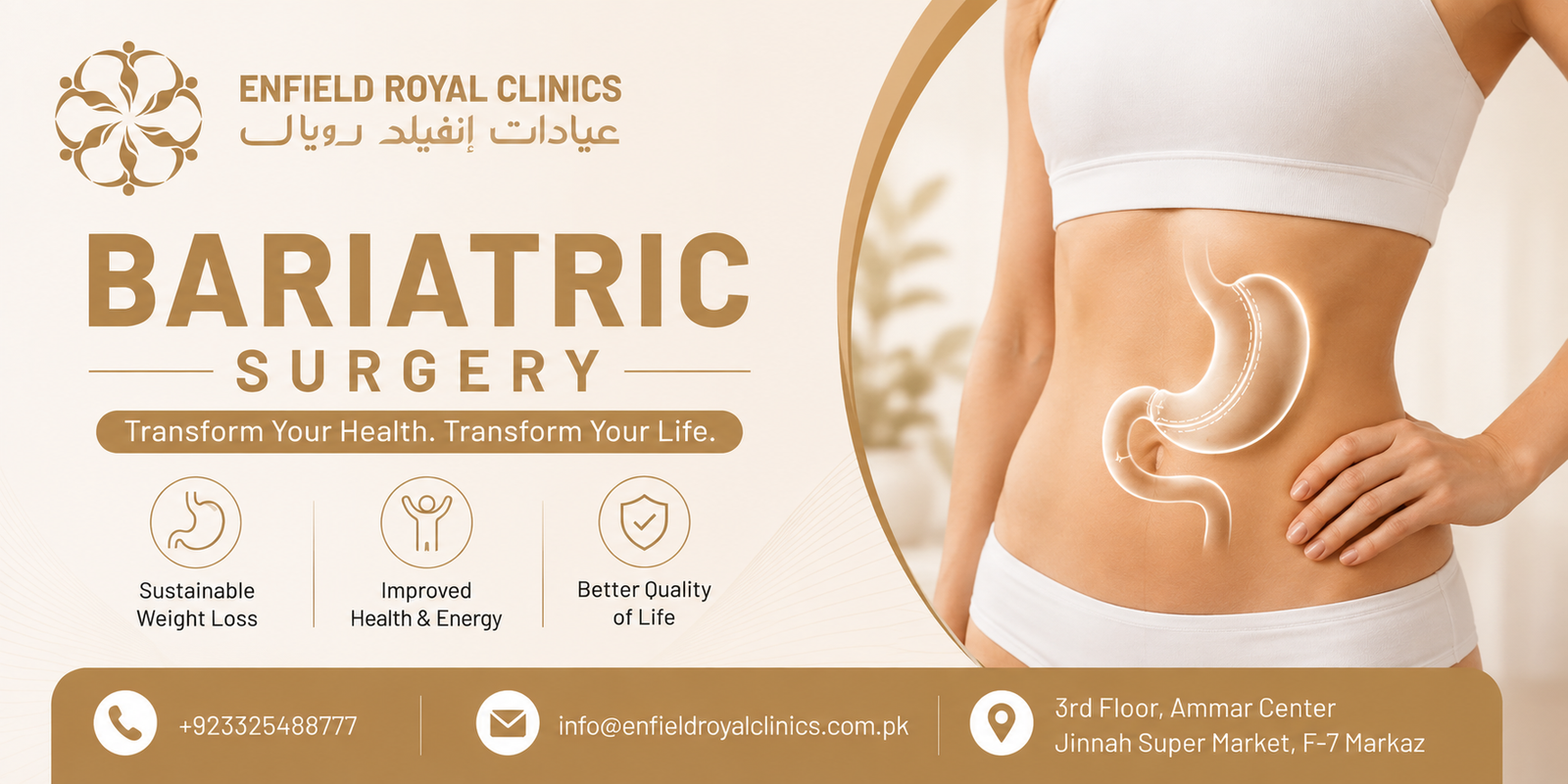




How Do You Qualify for Bariatric Surgery?

0
28

For people living with obesity, losing weight through diet and exercise alone is not always successful. Bariatric Surgery can be an effective medical treatment for appropriately selected patients, but not everyone who wants to lose weight will qualify for an operation.

Eligibility is usually based on several factors, including BMI, obesity-related health conditions, previous weight-loss efforts, overall health, and readiness to follow long-term lifestyle changes. Understanding these requirements can help you know what to expect before scheduling a consultation.

What Is Bariatric Surgery?

Bariatric Surgery refers to surgical procedures that change the stomach and, in some cases, the digestive system to support significant weight loss.

Common procedures include gastric sleeve and gastric bypass. Depending on the operation, surgery can reduce the amount of food the stomach can hold, influence appetite, or change how food moves through the digestive tract.

Because bariatric surgery is a major medical treatment, patients require a thorough evaluation before a procedure is recommended.

Does BMI Determine Eligibility?

BMI is one of the main measurements used when evaluating a person for bariatric surgery. It is calculated using height and weight and helps classify the degree of excess body weight.

Traditional criteria have commonly considered surgery for people with a BMI of 40 or higher, or for those with a BMI of 35 or higher along with significant obesity-related health problems.

Current clinical guidelines may also consider metabolic and bariatric surgery for selected patients with lower BMI levels, particularly when obesity-related conditions are present.

Because eligibility criteria can vary, a specialist should assess each patient individually.

Can Health Conditions Help You Qualify?

Obesity-related medical conditions can be an important consideration when determining whether Bariatric Surgery is appropriate.

Conditions that may influence the evaluation include:

  • Type 2 diabetes
  • High blood pressure
  • Obstructive sleep apnea
  • Fatty liver disease
  • Weight-related joint problems
  • Cardiovascular risk factors
  • Other obesity-related metabolic conditions

Significant weight loss may help improve the management of some of these conditions.

However, having a medical condition does not automatically mean surgery is necessary. A healthcare professional must assess the complete clinical picture.

Do You Need to Try Diet and Exercise First?

A history of previous weight-loss attempts may be considered during a bariatric evaluation.

Many people seeking surgery have already tried structured diets, exercise programs, calorie reduction, behavioral changes, or medically supervised weight-management plans.

If these methods have not resulted in sufficient or sustainable weight loss, bariatric surgery may be discussed when the patient otherwise meets appropriate criteria.

Lifestyle changes remain important after surgery and are not replaced by the operation.

Does Your Overall Health Matter?

Yes. Your general health is an important part of the qualification process.

Before Bariatric Surgery, the healthcare team may review your medical history, medications, previous surgeries, allergies, nutritional status, and existing health conditions.

Blood tests and other medical assessments may be recommended.

The purpose is to identify potential risks and determine whether you are medically prepared for surgery.

If certain health conditions are not well controlled, they may need to be addressed before surgery.

Do You Need a Psychological Evaluation?

Psychological and behavioral factors can be relevant to bariatric surgery preparation.

Patients need to understand that surgery requires significant changes to eating habits and lifestyle. They must also be prepared for the emotional and practical adjustments that can accompany major weight loss.

Depending on the treatment program, a patient may undergo a psychological or behavioral assessment to identify factors that could affect postoperative success.

This does not mean that a person must have perfect eating habits or no emotional challenges. The goal is to identify appropriate support and improve readiness for long-term treatment.

Is Nutritional Preparation Required?

Nutrition plays a major role in both eligibility and long-term success.

A dietitian or other qualified professional may assess your current eating patterns and explain what your diet will look like after Bariatric Surgery.

Patients may need to learn how to:

  • Eat smaller portions
  • Prioritize protein
  • Drink enough fluids
  • Avoid excessive sugary foods
  • Eat slowly
  • Follow postoperative dietary stages
  • Take recommended vitamins and minerals

Understanding these changes before surgery can make the transition easier.

Does Age Affect Qualification?

Age can be considered, but there is no single age at which bariatric surgery is automatically appropriate or inappropriate.

Selected adolescents and adults may qualify depending on their obesity severity, health conditions, maturity, and ability to follow treatment recommendations.

Older adults may also be considered after evaluating their overall health, physical fitness, medications, and ability to tolerate surgery.

The decision should be individualized rather than based on age alone.

What Tests Are Needed Before Bariatric Surgery?

The exact testing process varies between patients and healthcare providers.

A preoperative evaluation may include:

  • Blood tests
  • Physical examination
  • Medical history review
  • Nutritional assessment
  • Medication review
  • Evaluation of obesity-related conditions
  • Anesthesia assessment
  • Other tests when medically indicated

These assessments help the medical team understand the patient's health and plan the safest appropriate procedure.

Do You Have to Be Ready for Lifestyle Changes?

Yes. Commitment to long-term lifestyle changes is an important part of Bariatric Surgery.

The procedure can reduce stomach capacity or alter digestion, but it does not automatically create healthy eating and activity habits.

After surgery, patients generally need to follow dietary recommendations, gradually increase physical activity, attend follow-up appointments, and take supplements when prescribed.

Being prepared for these responsibilities is important before proceeding.

What Can Prevent You From Qualifying?

Several factors may require additional evaluation or preparation before surgery.

For example, uncontrolled medical conditions, inability to follow essential postoperative recommendations, or certain behavioral concerns may need to be addressed first.

Not qualifying immediately does not necessarily mean that surgery will never be possible. A healthcare team may recommend treatment or preparation to improve your readiness.

What Happens During the Qualification Process?

The qualification process usually begins with a consultation. The specialist reviews your weight history, BMI, health conditions, previous weight-loss attempts, medications, and lifestyle.

If you appear to be a potential candidate, additional testing and nutritional or behavioral assessments may follow.

The final decision should be based on a complete evaluation of potential benefits and risks rather than a single measurement.

Final Thoughts

So, how do you qualify for Bariatric Surgery? Eligibility generally depends on factors such as BMI, obesity-related health conditions, previous weight-loss efforts, overall health, and readiness to follow long-term lifestyle recommendations.

Traditional criteria have commonly focused on higher BMI levels, but current clinical guidance may allow surgery to be considered for selected patients with lower BMI and significant obesity-related conditions.

If you are considering bariatric surgery, the best next step is a consultation with a qualified bariatric specialist. They can assess your individual circumstances, explain current eligibility criteria, and determine whether surgery is an appropriate treatment option.

Search
Categories
Read More
⚽Karadeniz Spor
Code promo gratuit 1xBet : 1XWAP – Réclamez votre bonus
code promo 1xbet 200 de bonus: 1XWAP offre un bonus de 100 %. Retrouvez la liste des codes promo...
By wedepi8684 2026-08-01 05:51:54 0 457
🏆 Diğer Bölgesel Kulüpler
E-8 Al Fahidi Dubai Escorts 0581708105 Escort Service in Al Fahidi Dubai
indian call girls in dubai call girls pakistani call girls in dubai cheap call girls in dubai...
By SFDSF 2026-07-12 14:13:36 0 146
🟢🔵 Çaykur Rizespor
1-5 sweet 🤞Call 🎆girl Deira 0556255850 Gold Standards Outcall 🤞Call 🎆girl Service Deira
Ultimate Escorts in Dubai Indulge in the epitome of sophistication with our handpicked selection...
By poorvi 2026-07-16 17:36:41 0 291
⚽ Spor
Find Your Perfect Companion with Lahore Call Girls
You can have a great time with a beautiful Call Girl in Lahore. The most beautiful Call Girls in...
By emilparker 2026-07-22 10:16:42 0 167
💼 Ekonomi & İş Dünyası
Lightweight Webbing Slings The Smart Choice for Safe and Efficient Lifting
Why Lightweight Webbing Slings Are Essential for Modern Lifting Operations When it comes to...
By jackmorghan 2026-06-22 09:08:15 0 254