


 İnstagram
 Facebook
What Happens During Juvederm Treatment in Dubai?
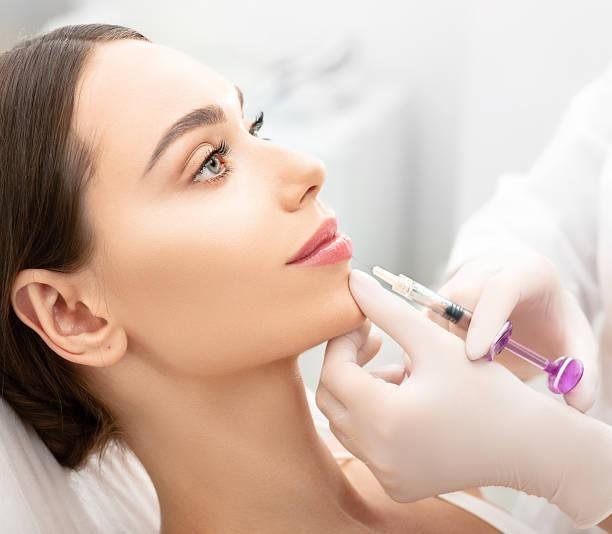
Knowing what happens during an injectable appointment can make the process easier to understand before making a treatment decision. Juvederm Treatment in Dubai generally begins with an assessment of the patient's facial anatomy and goals before the clinician determines whether a particular JUVÉDERM product and injection approach are appropriate.
The procedure itself may be relatively brief, but the clinical process involves more than the injections. Consultation, product selection, treatment planning, informed consent, injection technique, and post-treatment guidance all form part of responsible aesthetic care.
What Is Juvederm Treatment?
JUVÉDERM is a collection of hyaluronic acid-based dermal fillers designed for different facial applications.
Different products within the collection have different characteristics and approved uses. Therefore, “getting Juvederm” does not necessarily mean receiving the same formulation, amount, or injection pattern as another patient.
The treatment plan should be individualized according to the facial area, anatomy, desired correction, and the specific product being considered.
Step 1: The Initial Consultation
The appointment normally begins with a discussion rather than an injection.
The clinician needs to understand what the patient wants to improve and whether dermal filler is an appropriate option.
The consultation may cover:
- The patient's aesthetic concerns
- Desired degree of correction
- Medical history
- Known allergies
- Current medications
- Previous cosmetic procedures
- Previous dermal filler
- Previous reactions to injections
- Relevant skin conditions
This stage is important because not every facial concern is best addressed with filler.
Discussing Your Desired Result
Patients should describe the result they want in practical terms.
For example, someone may want more lip definition, softer facial lines, improved cheek volume, or subtle structural enhancement.
Explaining what you do not want is also useful. A patient may prefer a conservative result and want to maintain normal facial movement.
Step 2: Facial Assessment
The clinician then evaluates the relevant facial structures.
Depending on the treatment area, this may include examining:
- Facial symmetry
- Skin quality
- Soft-tissue volume
- Facial proportions
- Existing contours
- Movement during expression
- Previous filler placement
- The relationship between neighboring facial areas
The assessment can be performed with the face at rest and, where relevant, during facial expressions.
This helps the clinician understand the three-dimensional structure rather than focusing only on one visible line or feature.
Step 3: Deciding Whether Treatment Is Appropriate
Not every consultation leads directly to treatment.
A clinician may determine that filler is appropriate, that another treatment would be more suitable, or that treatment should be postponed.
For example, active inflammation or infection near the proposed injection area may require assessment before proceeding.
Likewise, a history of significant allergic reactions or other medical considerations may affect whether a particular product is appropriate.
A responsible consultation should identify these issues before injection.
Step 4: Selecting the JUVÉDERM Product
Once the treatment objective is established, the clinician can determine which product is appropriate.
JUVÉDERM includes multiple formulations designed for different aesthetic applications.
Product selection may consider:
- Treatment area
- Desired correction
- Tissue characteristics
- Facial movement
- Existing facial volume
- Product-specific indications
- Previous filler
- Injection technique
- Individual anatomy
The product should be selected because it fits the clinical objective—not simply because it is marketed as a particular type of filler.
Step 5: Discussing the Treatment Plan
Before injection, the clinician should explain the proposed approach.
This can include:
- Where filler will be placed
- The intended aesthetic objective
- The type of product being used
- The approximate amount planned
- Expected temporary reactions
- Potential complications
- Whether additional treatment may be considered later
This is also the appropriate time for patients to ask questions.
Why a Conservative Plan May Be Considered
The objective of filler is not necessarily to maximize volume.
Depending on the concern, a clinician may prefer a conservative or staged approach so that the initial result can be assessed before considering additional product.
This can be particularly relevant when treating areas where small changes can affect facial proportions.
Step 6: Preparing the Treatment Area
Before injection, the treatment area is prepared according to the clinic's medical protocol.
The clinician identifies the planned injection points and prepares the skin appropriately.
Depending on the area and product, a topical or local numbing approach may be discussed to improve comfort.
Some JUVÉDERM formulations also contain lidocaine, a local anesthetic, but product composition varies.
Step 7: The Injection Process
The clinician then places the filler according to the treatment plan.
The exact technique depends on:
- Facial area
- Injection depth
- Product characteristics
- Amount required
- Patient anatomy
- Desired correction
- Clinician's technique
There is no single injection pattern that applies to every patient.
The clinician may make multiple small placements rather than treating the entire area with one injection.
Step 8: Assessing the Result During Treatment
The clinician may evaluate the treated area during and immediately after the procedure.
Facial symmetry, contour, volume, and the relationship between treated and untreated areas can be considered.
This does not mean the immediate appearance represents the final result.
Temporary swelling can occur after filler, which may affect how the area looks immediately following treatment.
Step 9: Post-Treatment Instructions
After treatment, the clinician should explain what to expect during the initial recovery period.
Temporary reactions can include:
- Swelling
- Redness
- Bruising
- Tenderness
- Firmness
- Itching
- Lumps or bumps
These effects vary between patients.
The provider should also explain which symptoms are expected and which symptoms require prompt medical assessment.
What Does the First Day Feel Like?
The immediate post-treatment experience varies according to the area treated and the individual.
Some patients experience mild tenderness or swelling, while others may notice more visible injection-site reactions.
The appearance can also change during the early period as swelling develops and then settles.
For this reason, patients should avoid judging the final aesthetic result immediately after the procedure.
Why the Immediate Result Is Not Always the Final Result
One of the common misunderstandings about dermal filler is assuming that what is visible immediately after injection represents the finished outcome.
Immediately after treatment, the area can contain both the intended filler volume and temporary tissue reactions.
Swelling, redness, and tenderness can temporarily alter the appearance.
The clinician can advise when the result should be reassessed based on the treatment area and individual circumstances.
What If the Patient Wants More Filler?
Additional filler should not automatically be added simply because the patient wants a larger immediate change.
The clinician may prefer to allow temporary swelling to settle and then evaluate the result.
If additional treatment is appropriate, it should be based on the patient's anatomy and the clinical objective.
This staged approach can help avoid unnecessary overcorrection.
How Previous Filler Changes the Appointment
Patients who have previously received dermal filler should tell their clinician.
Information about previous treatment can be particularly useful if the same area is being considered again.
If the patient has experienced persistent swelling, lumps, asymmetry, tenderness, or another unexpected issue, these concerns should be assessed before additional filler is placed.
Can You Return to Normal Activities Immediately?
The answer depends on the individual treatment and the provider's instructions.
Because temporary swelling, bruising, tenderness, or redness can occur, patients should plan accordingly.
A person with an important event shortly after treatment may want to discuss scheduling before the procedure.
The clinician can provide personalized guidance based on the area treated and the patient's circumstances.
What Are the Safety Considerations?
Dermal filler injections have both common temporary effects and uncommon but potentially serious complications.
One serious concern is accidental injection into a blood vessel. This can result in vascular occlusion and, in rare cases, tissue injury, visual impairment, or stroke.
Patients should therefore choose an appropriately qualified medical professional who understands facial anatomy and has a plan for recognizing and managing complications.
Medical history and allergies should also be reviewed before treatment.
What Should You Bring to the Consultation?
You generally do not need extensive preparation, but useful information can include:
- List of current medications
- Supplements or vitamins
- Known allergies
- Details of previous filler
- Previous cosmetic procedures
- History of reactions to injections
- Your specific aesthetic goals
If you have records of previous injectable treatments, sharing accurate information can help the clinician plan appropriately.
How Long Does the Appointment Take?
Appointment length varies according to the number of areas being assessed and treated.
The injection portion may be relatively short, but the overall appointment also includes consultation, assessment, preparation, treatment planning, and aftercare discussion.
Patients should avoid scheduling the appointment so tightly that there is no time for proper medical assessment.
Frequently Asked Questions About Juvederm Treatment in Dubai
What happens first during Juvederm Treatment in Dubai?
The process generally begins with consultation, medical history review, discussion of goals, and facial assessment.
Is Juvederm injected immediately after consultation?
Not always. The clinician may determine that treatment should be modified, postponed, or replaced with another approach.
How is the Juvederm product selected?
Selection depends on the treatment area, anatomy, desired correction, product characteristics, and specific product indications.
Does Juvederm treatment hurt?
Comfort varies by person and treatment area. A clinician may discuss available measures to improve comfort.
Will the face be swollen immediately afterward?
Swelling can occur after dermal filler injections, although the degree varies between individuals.
Is the immediate result the final result?
No. Temporary swelling and other injection-site reactions can affect the early appearance.
Can I request additional filler immediately?
You can discuss additional treatment, but the clinician may recommend waiting until temporary reactions settle before deciding whether more filler is appropriate.
Should I tell my provider about previous filler?
Yes. Previous filler and any previous reactions should be disclosed during consultation.
Can Juvederm cause serious complications?
Rare serious complications can occur, including vascular complications. Qualified medical assessment and appropriate injection technique are important safety measures.
How should I prepare for the appointment?
Provide accurate medical and treatment history and clearly communicate your aesthetic goals and expectations.
The Strategic Investment
Understanding the treatment process can help patients approach Juvederm Treatment in Dubai with more realistic expectations. The procedure is not simply an injection; it involves medical assessment, facial analysis, product selection, treatment planning, careful placement, and appropriate follow-up guidance.
For patients exploring Juvederm treatment options in Dubai, a consultation provides an opportunity to discuss the specific facial concern, understand the proposed treatment approach, and review potential benefits and risks before deciding whether to proceed.
For individualized consultation and aesthetic treatment planning, Tajmeels Clinic can help patients understand their available options and determine whether a JUVÉDERM treatment plan is appropriate for their goals.

 Türkçe
 Arabic
 Deutsch
 Russian