


 İnstagram
 فيس بوك
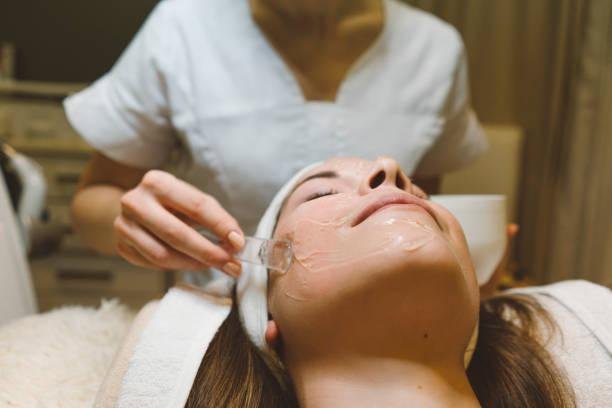
Hyperpigmentation—whether from sun damage, hormonal shifts, or the aftermath of acne—is one of the most common and frustrating skin concerns. It is stubborn, often resistant to over-the-counter products, and can significantly affect how you feel about your complexion. Chemical Peels in Riyadh Chemical peels address this by applying a controlled solution that removes the damaged, pigmented outer layers of skin, allowing fresher, more evenly toned skin to emerge . For those exploring Chemical Peels in Riyadh, understanding how this treatment works on pigment and what results to expect is essential.
How Peels Work on Hyperpigmentation
Dark spots are caused by an overproduction of melanin. A chemical peel works by breaking down the bonds between dead skin cells and accelerating the natural exfoliation process . This removes melanin-laden cells from the skin's surface. Different acids target various depths—superficial for epidermal pigment, and deeper formulations for more stubborn, dermal pigmentation .
The controlled injury also triggers a wound-healing response that stimulates collagen production, improving overall skin texture and tone . As the treated skin heals, new cells replace the pigmented ones, gradually revealing a clearer, more uniform complexion.
Choosing the Right Peel for Different Pigment Types
Not all peels work the same way on hyperpigmentation. The choice depends on the depth and cause of the pigment.
-
Superficial Peels (glycolic, salicylic, lactic acid): Ideal for mild sun damage and superficial pigmentation. Glycolic acid is a first-line option for epidermal melasma . Salicylic acid is preferred for post-inflammatory hyperpigmentation (PIH), especially in acne-prone skin, due to its oil-soluble, anti-inflammatory properties .
-
Medium-Depth Peels (TCA, VI Peel): Address more stubborn pigmentation like melasma. TCA has a narrower safety margin, especially in darker skin, but can be effective for resistant cases . The VI Peel is often recommended for its safety across all skin types .
-
Advanced Options (Cosmelan, Dermamelan): For severe, stubborn melasma or hormonal dark spots. These use a dual in-office and at-home approach to aggressively target melanin production .
What the Research Shows
Glycolic acid and TCA peels have shown consistent effectiveness for melasma across Fitzpatrick skin types III–VI . Serial superficial peels are often preferred for PIH to avoid provoking further inflammation .
Setting Realistic Expectations
Number of Sessions
One peel is rarely enough. For mild pigmentation, a series of 3 to 6 light peels, spaced 2–4 weeks apart, is typically recommended . For more stubborn cases, a similar number of sessions may be needed, often at a 4-week interval . Dr. Heather Woolery-Lloyd, an expert in skin of color, notes that patients often expect immediate, dramatic results, but a series of treatments is usually necessary for optimal outcomes .
Results Timeline
Visible improvement develops gradually. After each peel, the skin sheds and regenerates. The final results emerge over several weeks as new, evenly pigmented skin replaces the damaged layers. For conditions like melasma, which are prone to relapse, maintenance cycles are essential .
Pre- and Post-Treatment Care
Pretreatment with lightening agents can reduce uneven penetration and help suppress rebound melanogenesis . Strict sun protection is non-negotiable post-peel, as UV exposure is the leading cause of post-inflammatory hyperpigmentation . When researching chemical peeling treatment price, remember that the expertise required for safe application, especially for darker skin, is reflected in the cost.
For those seeking expert guidance and customized aesthetic care, you can book an appointment consultation at the Enfield Royal Clinic.
Frequently Asked Questions
How many chemical peels do I need for hyperpigmentation?
For mild pigmentation, 3-6 light peels spaced 2-4 weeks apart are typical. Stubborn melasma may require a series of peels, often at 4-week intervals .
Are chemical peels safe for darker skin tones?
Yes, when using superficial agents. Glycolic and salicylic acid peels are considered safe for skin of color. Deeper peels carry higher risks of pigmentation issues .
Which peel is best for post-acne dark spots?
Salicylic acid peels are often preferred for PIH due to their ability to penetrate oil-rich follicles and calm inflammation .
Can a chemical peel remove melasma completely?
Peels can significantly improve melasma, but it is a relapsing condition. Maintenance cycles are often needed to sustain results .
What happens if I don’t protect my skin from the sun after a peel?
Sun exposure is the leading cause of post-inflammatory hyperpigmentation. Skipping SPF can undo your results and make dark spots worse .

 Türkçe
 English
 Deutsch
 Russian