


 İnstagram
 Facebook
Keloid Treatment for Piercing-Related Scars
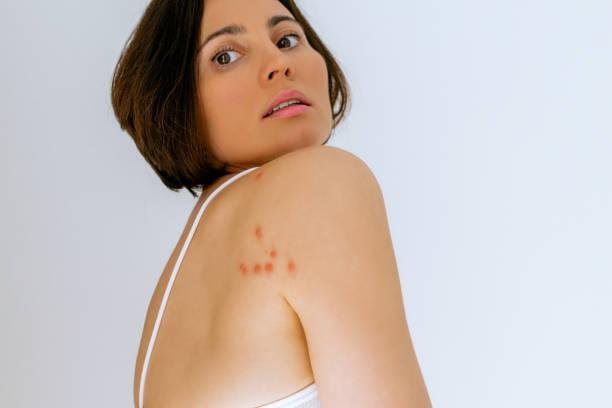
Piercings can sometimes leave behind raised, firm scars that develop because of excessive collagen production during the healing process. While a small bump around a piercing may be temporary irritation, a true keloid can continue growing beyond the original piercing site. Understanding keloid removal can help individuals explore appropriate options for managing these raised scars and improving the appearance of the affected area.
Keloids related to ear, nose, or other piercings can be particularly noticeable and may cause itching, tenderness, or cosmetic concerns. Keloid Treatment in Riyadh is selected according to factors such as the scar's size, location, thickness, age, skin characteristics, and whether it has been treated before.
Why Do Piercings Cause Keloid Scars?
Excessive Collagen Production
A piercing creates a controlled injury in the skin. During healing, the body produces collagen to repair the tissue. In people who are prone to keloids, collagen production may continue excessively, creating a thick and raised scar.
Individual Healing Response
Not everyone who gets a piercing develops a keloid. Genetics, skin characteristics, piercing location, repeated irritation, and healing patterns can all influence the development of raised scar tissue.
How Are Piercing Keloids Different From Normal Bumps?
Normal Healing Bumps
A small bump around a new piercing may be caused by irritation, inflammation, or other healing issues. These bumps do not necessarily mean that a keloid is developing.
Keloid Characteristics
A keloid is usually firm, raised, and may gradually enlarge beyond the original piercing wound. It can remain prominent even after the piercing itself has healed.
Symptoms to Watch For
Some keloids cause itching, tenderness, sensitivity, or discomfort. Others may mainly create a cosmetic concern because of their size or location.
Common Keloid Treatment Options for Piercing Scars
Corticosteroid Injections
Corticosteroid injections are frequently used to help soften and flatten keloid tissue. They may also reduce itching and discomfort. Depending on the scar's response, multiple treatment sessions may be recommended.
Silicone Sheets and Gels
Silicone-based products may be included in a scar-management plan. Consistent use can help improve the texture and appearance of some raised scars over time.
Cryotherapy
Cryotherapy uses controlled cold to target scar tissue. It may be considered for certain piercing-related keloids, particularly when reducing the thickness of the scar is an important treatment goal.
Laser Treatment
Laser-based approaches may help improve aspects of a keloid's appearance, such as redness or uneven texture. The appropriate laser depends on the scar and the individual's skin characteristics.
Surgical Removal
Surgical excision removes the raised tissue physically. However, keloids can recur after removal, so surgery may be combined with additional treatment or preventive scar-management strategies.
Keloid Treatment for Ear Piercings
Earlobe Keloids
The earlobe is one of the most common areas where piercing-related keloids can develop. They may begin as a small raised area and gradually become larger and firmer.
Cartilage Piercings
Keloids can also develop around cartilage piercings. Because cartilage areas have different healing characteristics, professional assessment is important before selecting a treatment approach.
Managing Recurrent Earlobe Keloids
If an earlobe keloid has previously returned after treatment, the practitioner may consider a combination approach rather than relying on a single method.
What Factors Influence Treatment Selection?
Size and Thickness
A small, recently developed keloid may require a different approach from a large, long-standing scar. The thickness and firmness of the tissue help guide treatment planning.
Location
The exact piercing location matters because the surrounding tissue, movement, pressure, and cosmetic considerations can differ between the earlobe, cartilage, nose, and other areas.
Previous Treatments
A history of previous injections, surgery, laser treatment, or other scar therapies can influence the next treatment plan. A professional can assess how the keloid responded and determine what approach may be appropriate.
Skin Characteristics
Skin type and pigmentation are also important considerations. Some treatments may carry a risk of temporary or persistent pigment changes, so personalized planning is particularly valuable.
Can Piercing Keloids Be Prevented From Growing?
Early Professional Assessment
If a piercing scar begins becoming increasingly raised, firm, itchy, or larger, early assessment may help identify whether it could be a keloid.
Avoiding Repeated Irritation
Continued friction, pressure, or unnecessary manipulation of the area may interfere with healthy scar management. Following professional advice about caring for the affected area is important.
Avoid Self-Treatment
Attempting to cut, squeeze, pierce, or aggressively manipulate a suspected keloid can cause additional tissue injury and may worsen scarring.
What Results Can You Expect?
Gradual Improvement
Keloid treatment generally aims to reduce the scar's thickness, firmness, symptoms, and visibility. Improvement may occur gradually rather than immediately.
Recurrence Is Possible
Keloids have a tendency to return, particularly after removal. This is why follow-up and appropriate long-term scar management can be an important part of treatment.
Why Professional Treatment Matters
Piercing-related bumps can have different causes, and not every raised area is a keloid. A professional assessment can help distinguish a keloid from other types of scar tissue or piercing-related problems. For individuals considering Keloid Treatment in Riyadh, an individualized evaluation can help determine which treatment approach best matches the scar's characteristics.
Book an Appointment
If you have a raised or growing scar following a piercing, Royal Clinic Saudia can assess the affected area and discuss suitable treatment options based on your individual needs. Keloid Treatment in Riyadh can be personalized according to the size, location, appearance, and history of the piercing-related scar.
FAQs:
Can a piercing cause a keloid?
Yes. Piercing creates an injury in the skin, and people who are prone to excessive scar formation may develop a keloid during healing.
Are all piercing bumps keloids?
No. Piercing bumps can result from irritation or inflammation and may not be keloids. A professional evaluation can help determine the cause.
Can an ear-piercing keloid be treated without surgery?
Yes. Options such as corticosteroid injections, silicone-based treatments, cryotherapy, and selected laser approaches may be considered depending on the scar.
Can a piercing keloid come back after treatment?
Yes. Recurrence is possible, especially after surgical removal, which is why appropriate follow-up and scar-management strategies may be recommended.

 Türkçe
 Arabic
 Deutsch
 Russian